Transformation, Fascination, and Racialization: A Look at Disney’s Depictions of People of Color in Animated Films through the Years


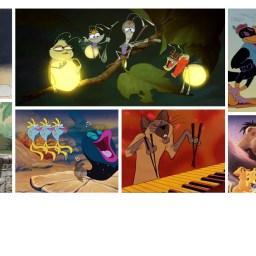
For my final project in my Digital Media Literacy class, I created an interactive timeline about Disney’s negative depictions of people of color (POC). My project is titled Transformation, Fascination, and Racialization: A Look at Disney’s Depictions of People of Color in Animated Films through the Years. I was inspired to choose this topic after … Continue reading Transformation, Fascination, and Racialization: A Look at Disney’s Depictions of People of Color in Animated Films through the Years

Unboxing U.S. Education

My required readings for this week’s Digital Media Literacy class are two chapters about the state of American education. In these chapters, the author, Joel Best, uses his self-made term, Stupidity Epidemic, to describe Americans’ worry that upcoming generations are less intelligent than previous generations. He notes that some Americans fear this rising epidemic will spell … Continue reading Unboxing U.S. Education

Diving into the Deep End: Review of Black Mirror’s “Nosedive”

In a society where social media popularity is people’s lifeline in the real world, one woman’s life turns upside down when her ranking suddenly plummets in this thrilling episode of Black Mirror. Exploring the potential impacts of futuristic technology on people and society, Black Mirror is a science fiction series available on Netflix. “Nosedive,” the … Continue reading Diving into the Deep End: Review of Black Mirror’s “Nosedive”

Ways that Persuade U.S. Elections

Last week, my Digital Media Literacy class dove into U.S. politics–taking a closer look at how the media and other factors sway presidential elections. As part of my homework, I explored the Newseum EDCollection Decoding Elections: Process, Persuasion & Participation. I took the Political Personality quiz, read about the presidential election process, and viewed artifacts … Continue reading Ways that Persuade U.S. Elections

Identity, Bias, and Calculating Risk

Garry Trudeau’s art piece, “Street Calculus,” illustrates the influence of bias on our perceptions of people we encounter. The art highlights the foolishness of relying on trivial external factors for navigating human interactions. In the picture, both men’s facial expressions reflect surprise and shock to come face-to-face with someone they consider to be threatening. My … Continue reading Identity, Bias, and Calculating Risk